
Environment
Animal protein companies intensify their search for more renewable energy sources, according to ABPA research
15/02/2024


Animal protein companies in the country are investing in increasing the use of renewable sources for the sector’s production. This is what a survey carried out by the Brazilian Association of Animal Protein (ABPA) shows with associated agribusinesses in the sector.
The research was carried out using the methodology adopted by B3’s Corporate Sustainability Index (ISE). The research was attended by companies that together represent 2/3 of national poultry production.
In the sample universe researched, all companies consulted have implemented programs or have ongoing studies to increase the share of renewable energy in production.
Around 69% have been promoting investments in the last three years to increase the share of clean energy and already have future projects, and of those that are investing, 56% do not have any subsidy for the implementation of the projects.
Regarding management, 63% of companies monitor between 70% and 100% of processes through indicators, with an eye, in particular, on correcting errors and reducing waste.
“There is a strong culture of controlling the origin of the energy used in the sector, from end to end. Among the companies surveyed, there is no case of a total lack of knowledge about their energy sources, which is an important indicator of how the sector understands its relationship with its supplies”, assesses Sula Alves, technical director at ABPA.
According to the survey, 73% implemented technologies for using biomass (including biodigesters and others). Among companies, several are implementing actions to reduce environmental impacts through energy supply, including the implementation of alternative sources, such as solar energy.
A curious fact is the sector’s autonomy: 75% of industries have a full guarantee of energy supply, which leaves food production less exposed to fluctuations in the energy network.
“The study showed that there is a culture that is already quite advanced and at an evolutionary stage with regard to the control of energy matrices that have an effective role in reducing emissions. It is not just about seeking a clean matrix, but also about building solutions that aim to generate energy through the transformation of the environment, such as biomass. This is a solid sign of how the sector works with a focus on sustainability in its complete tripod, social, economic and environmental”, concludes the president of ABPA, Ricardo Santin.
READ TOO
Environment
14/01/2026
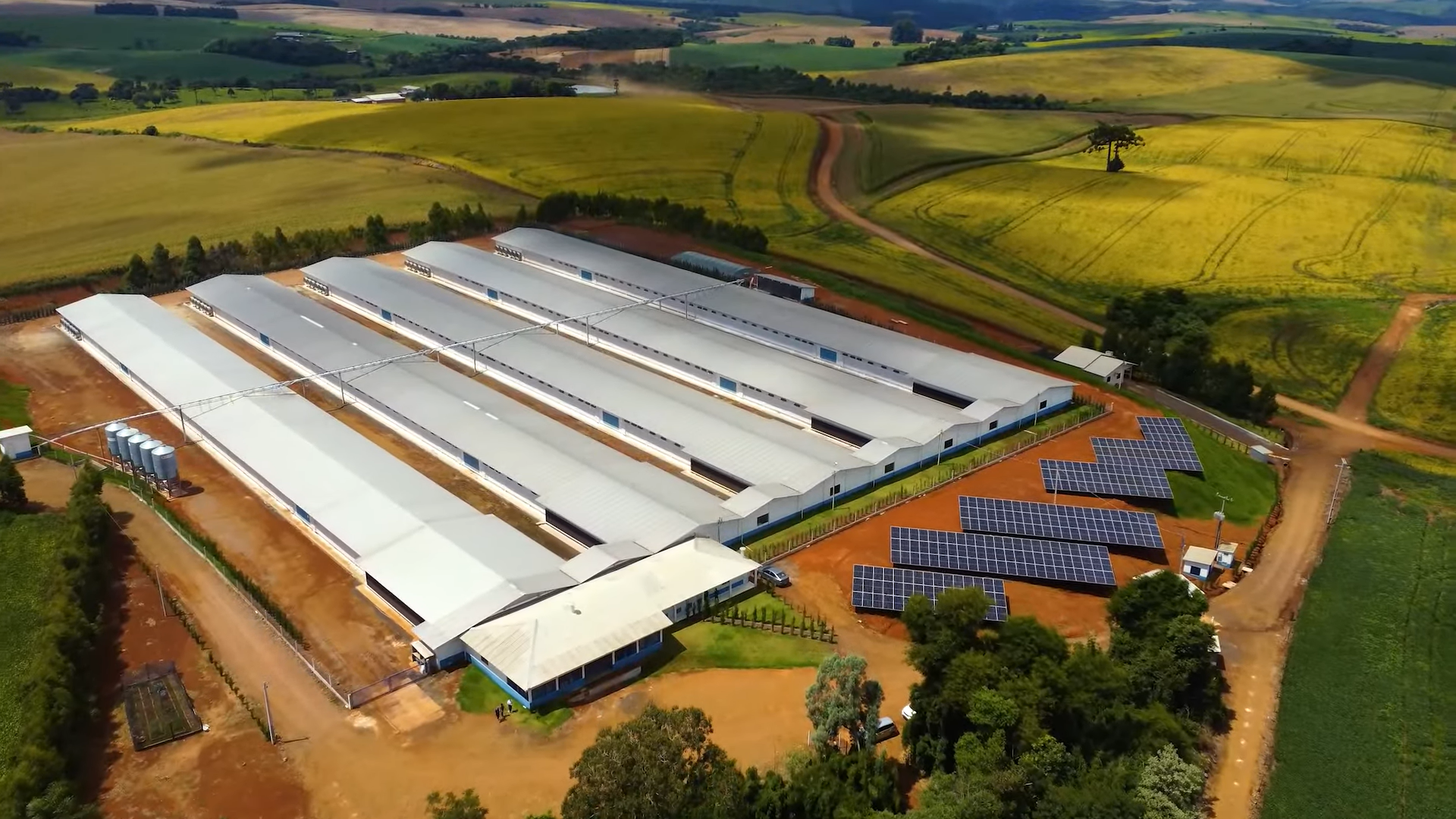
75% of Seara’s integrated farms already use clean energy
Around 75% of poultry and pork farms integrated with Seara, a company of JBS, are now operating with clean and renewable energy […]
Read more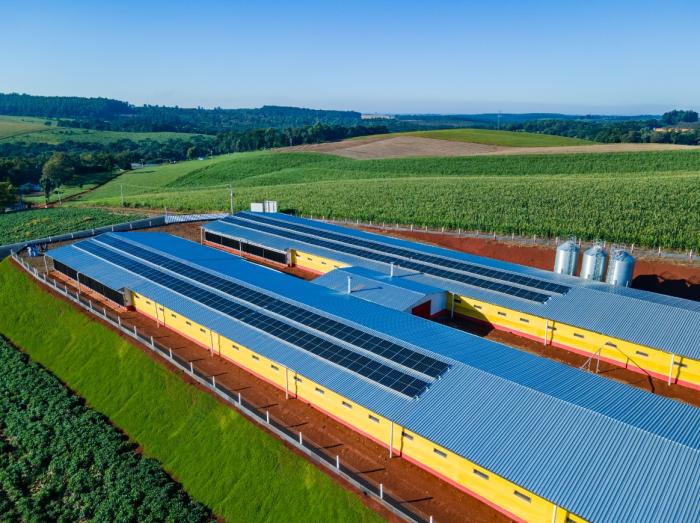
Environment
18/08/2025
Marfrig and BRF Earn Gold Seal for Transparency in Greenhouse Gas Emissions Management
Certification highlights sustainability progress and commitment to international climate goals Food industry giants Marfrig and BRF have been awarded the Gold Seal […]
Read more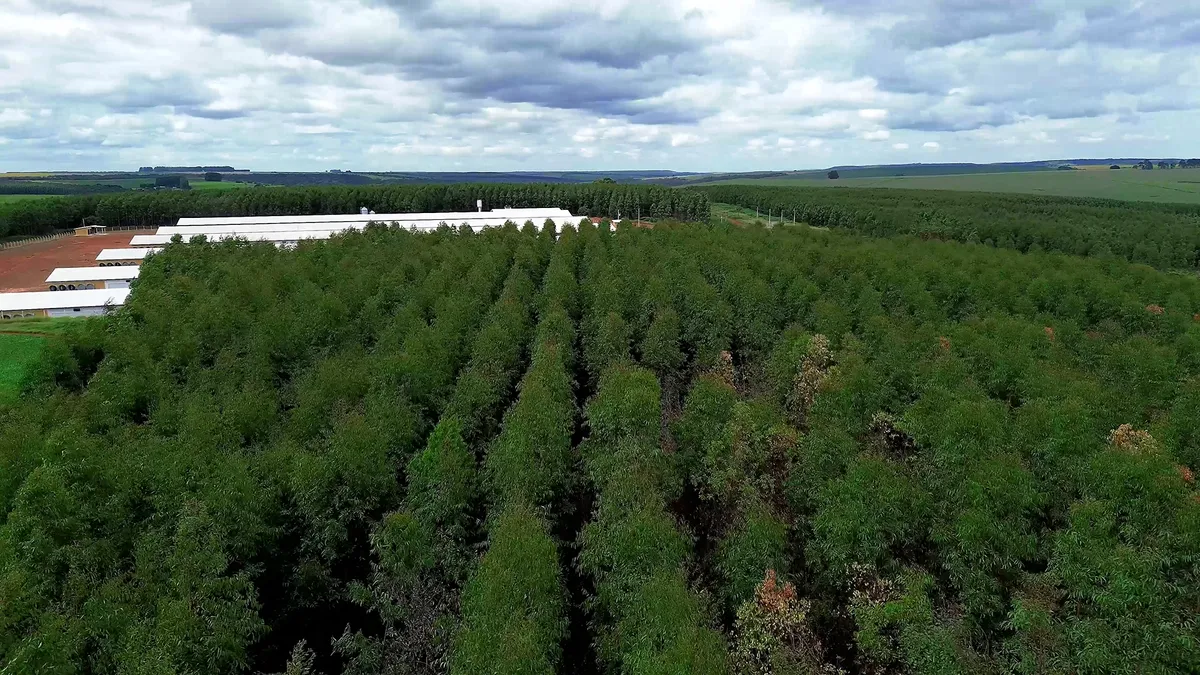
Environment
25/08/2025
Friato Reinforces Commitment to Recycling and Offsets Over 36 Tons of Packaging Waste
Partnership with eureciclo strengthens the circular economy and generates positive impact in Brazil’s recycling chain In 2024, Friato reached the milestone of […]
Read more