
Environment
75% of Seara’s integrated farms already use clean energy
14/01/2026


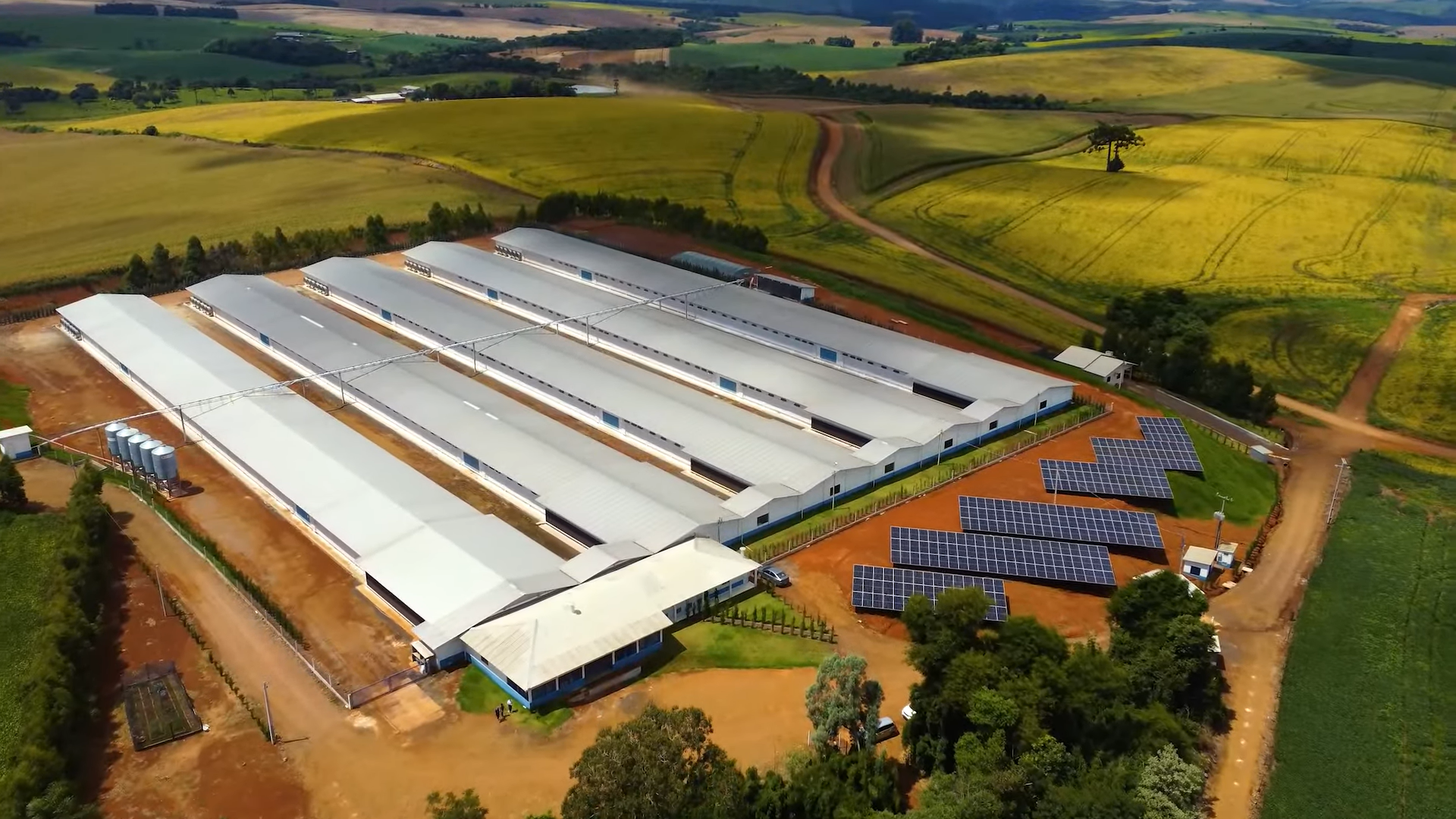
Around 75% of poultry and pork farms integrated with Seara, a company of JBS, are now operating with clean and renewable energy sources across Brazil. The milestone reflects the company’s sustainability strategy in the field, which encourages the installation of solar panels and biodigesters, supported by technical assistance.
In poultry production, more than 73% of integrated farms already operate with solar energy. These units are spread across ten Brazilian states and the Federal District, led by Bahia and Paraná, where 82% of farms have adopted the technology, followed by Mato Grosso do Sul (81%) and Minas Gerais (77%).
Six years ago, only 5.6% of the integrated properties used solar energy. Since then, adoption has grown by approximately 1,208%. In the last year alone, these farms generated 215.4 million kWh of solar power—enough to supply a city of about 94,400 inhabitants for an entire year.
Beyond environmental benefits, on-farm renewable generation delivers direct economic gains to producers. Lower electricity costs have enabled greater investment in automation, improving the efficiency of key systems such as barn climate control, feed distribution, egg collection and environmental monitoring, with positive impacts on animal welfare, productivity and product quality.
In pork production, Seara has also expanded the use of biodigesters as a strategic solution for renewable energy generation. About 46% of integrated swine farms with technical potential already operate biodigesters, particularly in Brazil’s Central-West region. These closed systems treat animal waste through bacteria that convert organic matter into biogas and biofertilizer. The biogas—rich in methane—is used to generate electricity, preventing direct methane emissions and significantly reducing environmental impact.
“Renewable energy, whether photovoltaic or from biodigesters, is economically sustainable, reduces costs and improves farm margins. Producers can invest in new technologies and automation, streamline daily routines, improve quality of life in rural areas and strengthen farm management. These initiatives represent one of the most comprehensive concepts of sustainability in agribusiness, with positive impacts on the environment, governance and local communities,” says Vamiré Luiz Sens Júnior, Seara’s Executive Manager of Livestock Production.
On many swine farms, energy generation through biodigesters ensures energy self-sufficiency. On average, electricity savings reach 62%, turning one of the main production costs into a competitive advantage. In the municipality of Seara, in the state of Santa Catarina, integrated producer Rodrigo Bisollo raises about 160,000 piglets per year. Fifteen years ago, monthly electricity costs reached R$70,000—a reality that changed with the adoption of biodigesters, allowing the farm to eliminate its power bill entirely. “We turned what used to be an expense into income. Today, it adds about 3.5% to the farm’s revenue,” he says. The system is complemented by solar energy, making the operation fully energy self-sufficient.
In addition to electricity generation, the system enables heat recovery from engines, which is used to heat water for sanitary and operational processes, further improving energy efficiency. The remaining solid residue is reused as biofertilizer in crop production, closing a sustainable production cycle and reinforcing circular economy practices in the countryside.
Alongside technical support for system implementation, Seara maintains policies and strategies that recognize and encourage good practices among integrated producers. The combination of technology, productive efficiency and environmental responsibility has strengthened rural development, enhanced the value of farming activity, increased its attractiveness to new generations and expanded prospects for clean energy generation in Brazilian agribusiness.
READ TOO

Environment
02/10/2023
Aurora Coop invests in sustainability in transport
The Central Cooperativa Aurora Alimentos (Aurora Coop) is increasing investments in even more sustainable logistics and, with this, expanding its presence in […]
Read more
Environment
05/06/2026
Bello Alimentos invests R$20 million in environmental modernization and expands sustainable capacity in Mato Grosso do Sul
Project includes a new wastewater treatment system, activated sludge technology, and an outfall to the Paraná River, strengthening the environmental performance of […]
Read more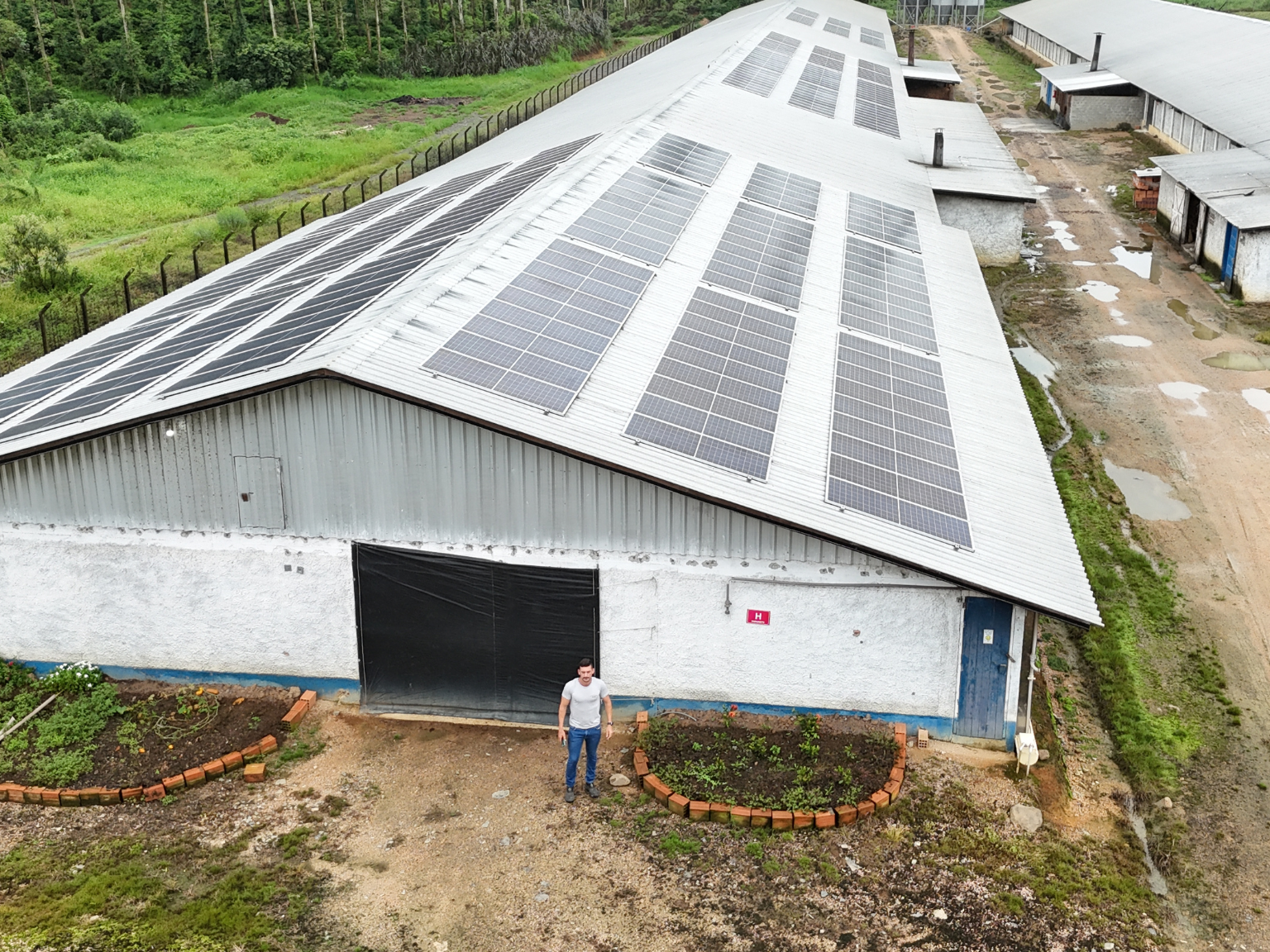
Environment
14/01/2025
70% of Seara farms already use solar energy
Company promotes the adoption of clean and renewable electricity JBS’s Seara ended 2024 with an impressive milestone: 70% of its integrated chicken […]
Read more