
Environment
Pamplona Alimentos fully modernizes swine transportation fleet and strengthens commitment to animal welfare
11/05/2026


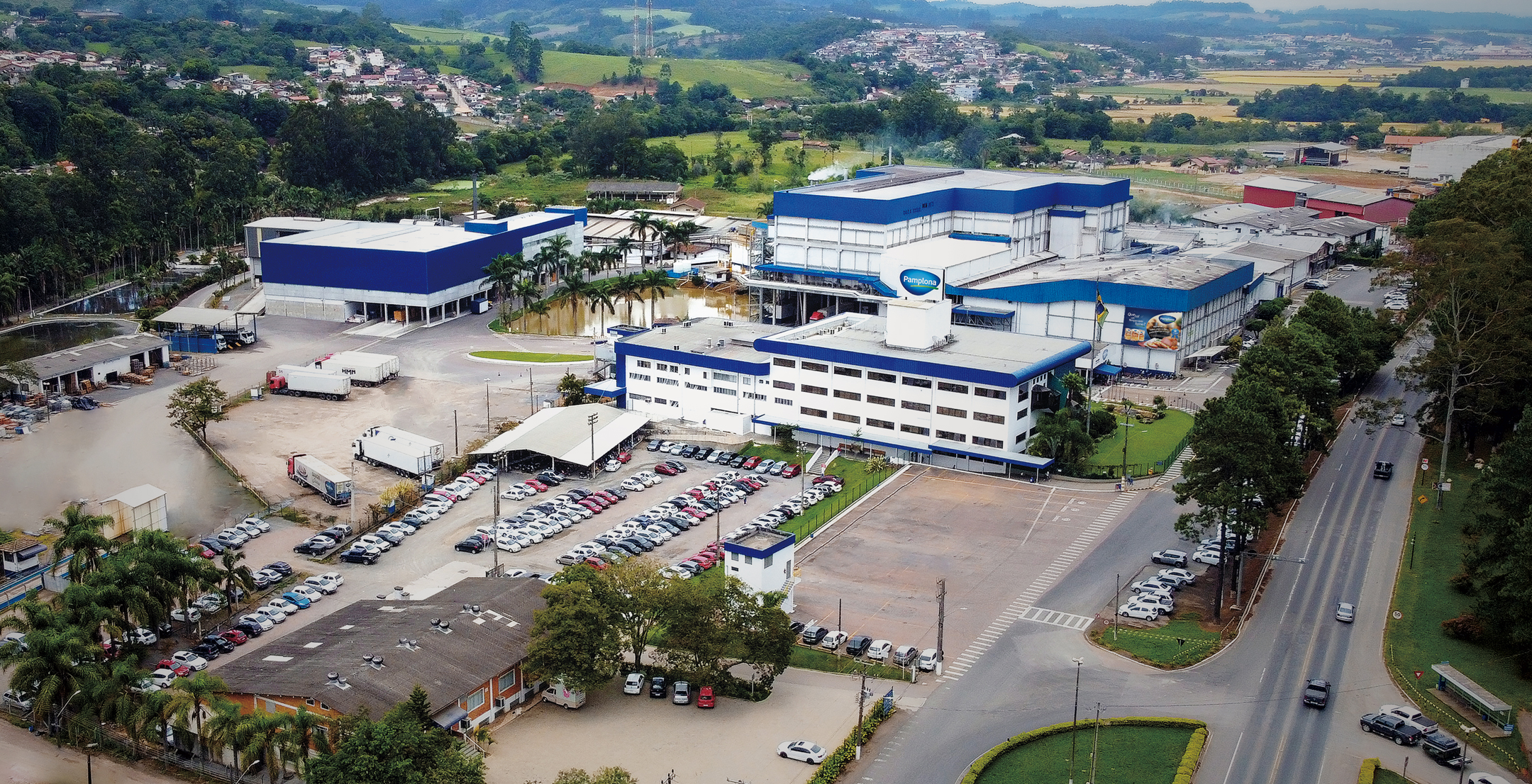
Company invests in technology and exceeds regulatory requirements to reduce risks to animal health during transportation
Pamplona Alimentos has completed the modernization of 100% of the truck fleet used to transport pigs to its processing plants, establishing a new structural standard focused on animal welfare. The initiative reinforces the company’s strategy of expanding investments in sustainability and responsible management in one of the most sensitive stages of the production chain: logistics.
A specialist in pork production for 77 years, the Santa Catarina-based company implemented technological upgrades aimed at reducing thermal stress and improving animal safety during transportation. Industry studies indicate that failures in loading and transportation are among the leading risk factors for production losses and animal health issues. International research also shows that excessive heat during transportation can significantly increase swine mortality rates.
With the modernization, the trucks are now equipped with insulated roofs to reduce heat exposure, misting systems and drinking devices to support hydration and improve thermal comfort, as well as satellite tracking systems. The technology allows real-time monitoring of routes, stop durations, and operational variables that directly impact animal welfare and cargo quality.
Pamplona’s operations transport approximately 1.6 million pigs annually across its industrial units, supplying more than 159,000 tons of pork and processed products each year. The company operates in 26 Brazilian states and exports to more than 20 countries.
According to the company’s CEO, Irani Pamplona Peters, investment in animal welfare is part of a long-term corporate policy. “Completing this fleet modernization demonstrates that animal welfare is a management decision, not merely a matter of regulatory compliance. We continuously invest in infrastructure, technology, and training because we understand that transportation directly affects animal health and final product quality,” she stated.
In addition to meeting the requirements established by Brazil’s National Traffic Council (Contran) and guidelines from the Ministry of Agriculture and Livestock (MAPA), including Normative Instruction No. 56/2008, the company says animal welfare is a strategic pillar within its ESG agenda.
In recent years, Pamplona Alimentos has adopted public animal welfare targets reported annually in its Sustainability Report, including initiatives focused on farms, transportation, and industrial operations. According to the company, these investments are part of an ongoing strategy aimed at operational efficiency, socio-environmental responsibility, and continuous improvement across the supply chain.
With more than 3,700 employees, Pamplona Alimentos operates in the Brazilian market with a portfolio of 14 product lines, including fresh and seasoned pork, sausages, smoked products, salami, cheeses, and other processed foods. The company also owns the Paraná, Rio Sul, and Saudável brands.
READ TOO

Environment
02/10/2023
Aurora Coop invests in sustainability in transport
The Central Cooperativa Aurora Alimentos (Aurora Coop) is increasing investments in even more sustainable logistics and, with this, expanding its presence in […]
Read more
Environment
26/03/2026
Copacol inaugurates new Fleet Management Center with R$34.5 million investment
Copacol has inaugurated a new Fleet Management Center in Cafelândia, in western Paraná, reinforcing its strategy to modernize logistics operations while strengthening […]
Read more
Environment
11/12/2023
Circular economy: Rivelli transforms chicken waste into inputs for agriculture
Reusing and reinserting resources into the chain is one of the most efficient ways to preserve the environment, promote productivity gains and […]
Read more