
Environment
Seara expands its logistic operations fleet to100%-electric refrigerated trucks
2/10/2023


The logistic operations of Seara, a leader in the production of poultry, pork and fish protein, plant-based and prepared foods,, is expanding from 19 to 200 the number of 100%-electric refrigerated trucks by January 2023. The company will use the vehicles supplied by No Carbon, a new company, part of of JBS Novos Negócios specializing in leasing electricity-powered trucks, to distribute its products locally to its clients throughout Brazil.
Each electric vehicle will avert the annual emission of around 30 tons equivalent of carbon dioxide (CO2) into the atmosphere. The No Carbon trucks have a range of 170 kilometers, the capacity to carry loads of up to 4 tons and are equipped with refrigerated boxcars that can store chilled and frozen products at the same time. The initiative will contribute to reducing scope 3 greenhouse gases resulting from indirect emissions from the company’s operations.
“Our objective is to increasingly extend the coverage of sustainable, low-carbon logistic solutions. To that end, our target is to have electric vehicles in every metropolitan center with a Seara Distribution Center”, Fabio Artifon, Logistics Director of Seara, points out. The brand is an early mover in adopting refrigerate electric trucks and its vehicles already distribute products in Santa Catarina, São Paulo, Paraná and the Federal District.
By introducing 200 new vehicles into its transport fleet, Seara estimates a reduction of around 6,000 tons in its indirect CO2 emissions, equivalent to planting 45,000 trees. “By introducing the new electric trucks we are able to renew our fleet and support our transportation partner without them having to invest in the transition to a low-carbon fleet”, Artifon emphasizes.
Besides the lower environmental footprint, one of the advantages of the electric vehicles are the low operation and maintenance costs. For example, the truck does not use air, oil and fuel filters, an exhaust system, belts, injection nozzles, injection pumps and other items that make the cost of maintaining a conventional vehicle six times higher than the electric model.
The advance in electrifying the transportation fleet is part of the efforts of JBS to meet its Net Zero goal by 2040.
READ TOO

Environment
08/11/2023
JBS signs partnership with banks to finance environmental actions in the countryside
Through Green Offices, JBS will connect rural producers to Banco do Brasil and Bradesco to obtain credit aimed at sustainability JBS, a […]
Read more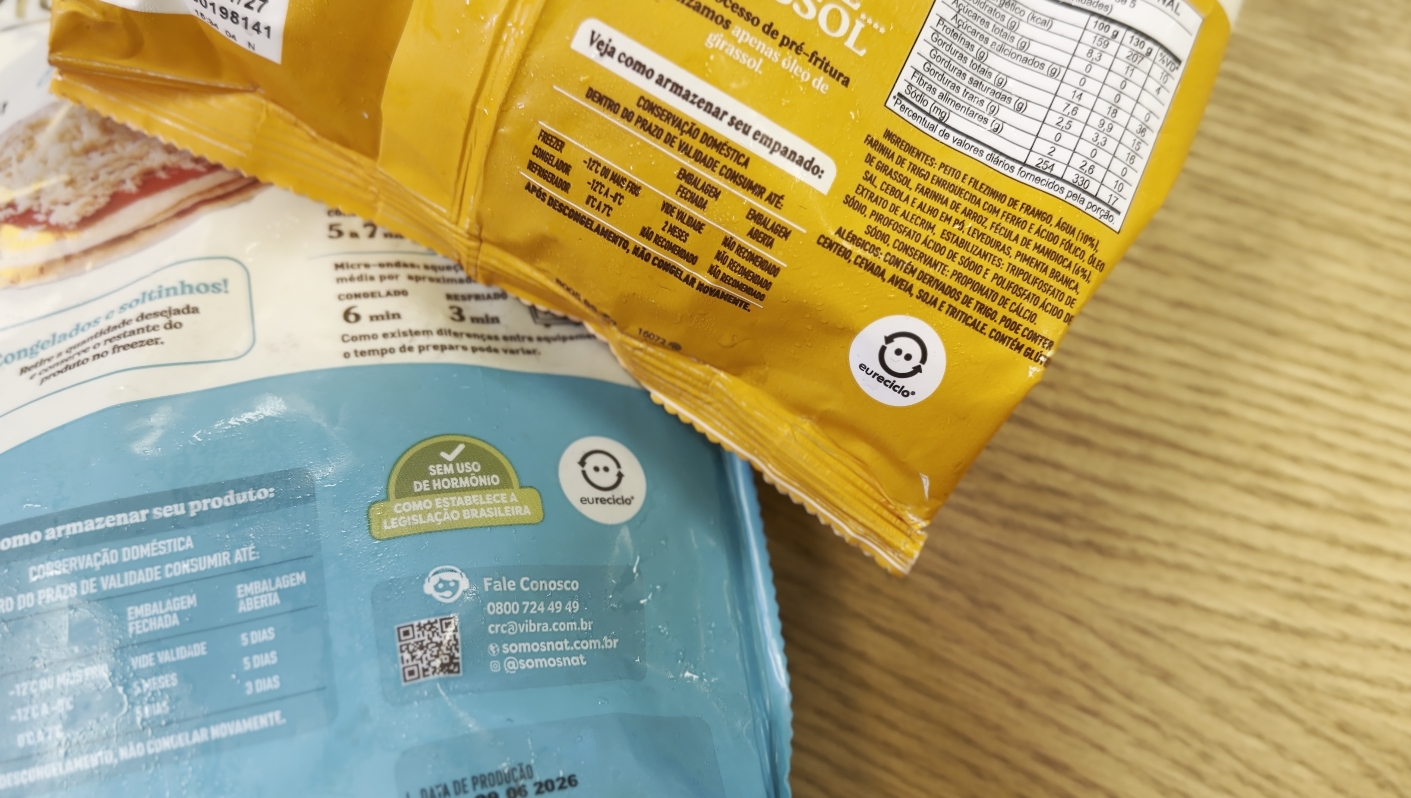
Environment
01/09/2026
Vibra Foods Promotes the Circular Economy Through Partnership with eureciclo
Company expects to offset 278 metric tons of Nat-branded packaging this year through investments in the recycling value chain One of Brazil’s […]
Read more
Environment
24/09/2024
C.Vale is the first cooperative in Brazil to obtain ASC certification for tilapia production in excavated tanks
The fish slaughterhouse and fish farming company have received an unprecedented certification. C.Vale is the first cooperative in Brazil to obtain certification […]
Read more