
Animal welfare
Seara completes transition to group sow housing and anticipates regulatory requirement by two decades
12/03/2026


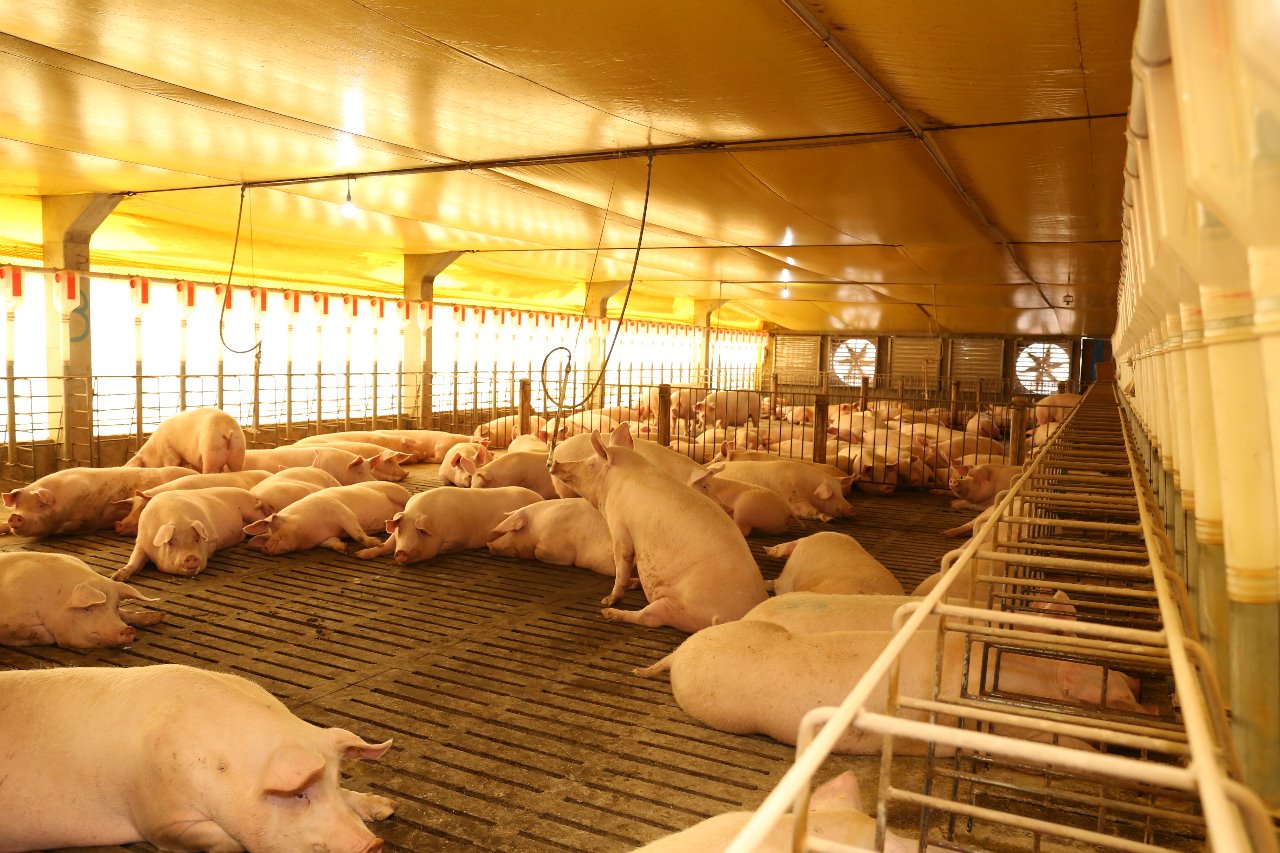
Seara has completed the transition to 100% group housing for gestating sows across its integrated pig farms in 2025. With the move, the company becomes the first major pork producer in Brazil to fully meet a public commitment made about a decade ago—more than 20 years ahead of the regulatory deadline established by Normative Instruction No. 113 of Brazil’s Ministry of Agriculture, which requires the adoption of the system by 2045.
The change represents a structural transformation of the company’s production model, implemented over the past ten years through investments in facility adaptation, process innovation, and training for integrated producers. According to the company, the transition was carried out gradually to avoid social or economic impacts on partner farmers.
“When we made this commitment, the consensus in the sector was that it would be impossible to implement in Brazil. There was no legislation, no established models, and the technical, economic, and social challenges were enormous. Seara decided to move ahead of the law and prove that it was possible,” said José Antônio Ribas Junior, Executive Director of Agriculture at Seara.
Historically, sows were kept in individual stalls during the gestation period, with limited mobility. Under the group housing model, sows are kept in collective pens, with approximately 2.4 square meters per animal, allowing them to move freely, interact with other animals, and express natural behaviors.
The company notes that the transition required not only structural changes on farms but also adjustments in the management of the production chain. One of the main challenges was ensuring that improvements in animal welfare would not lead to the exclusion of integrated producers or income losses, particularly among family-run farms.
To address this, the company conducted a detailed census of its farms, evaluating infrastructure, available space, and technical feasibility. Based on this assessment, tailored solutions were developed for each property, respecting physical limitations and the pace of adaptation required.
“The central concern was always to carry out this transformation without losing producers, without reducing the sow inventory, and without compromising family income. Animal welfare and social responsibility had to move forward together,” said Vamiré Sens Júnior, Executive Agriculture Manager at Seara.
In addition to structural adjustments, the company invested in continuous technical training for producers and internal teams, the revision of management protocols, and updates to incentive policies. Measures included financial support for farm investments and the payment of an allowance per piglet produced for up to ten years. The company also began requiring that all new production projects adopt the group housing system from the outset.
Despite the complexity of the process, Seara reports that it maintained its growth trajectory during the transition, recording an increase of around 40% in production over the period.
The commitment to adopt group sow housing was made even before the official regulation was issued in Brazil and has been reported annually in the company’s Sustainability Report, including targets, progress indicators, and transparency about the implementation process.
With the transition completed in 2025, the company positions itself as a benchmark for the sector, demonstrating that it is possible to anticipate regulatory requirements, raise animal welfare standards, and maintain the economic sustainability of the production chain.
READ TOO
Social Development
10/10/2023
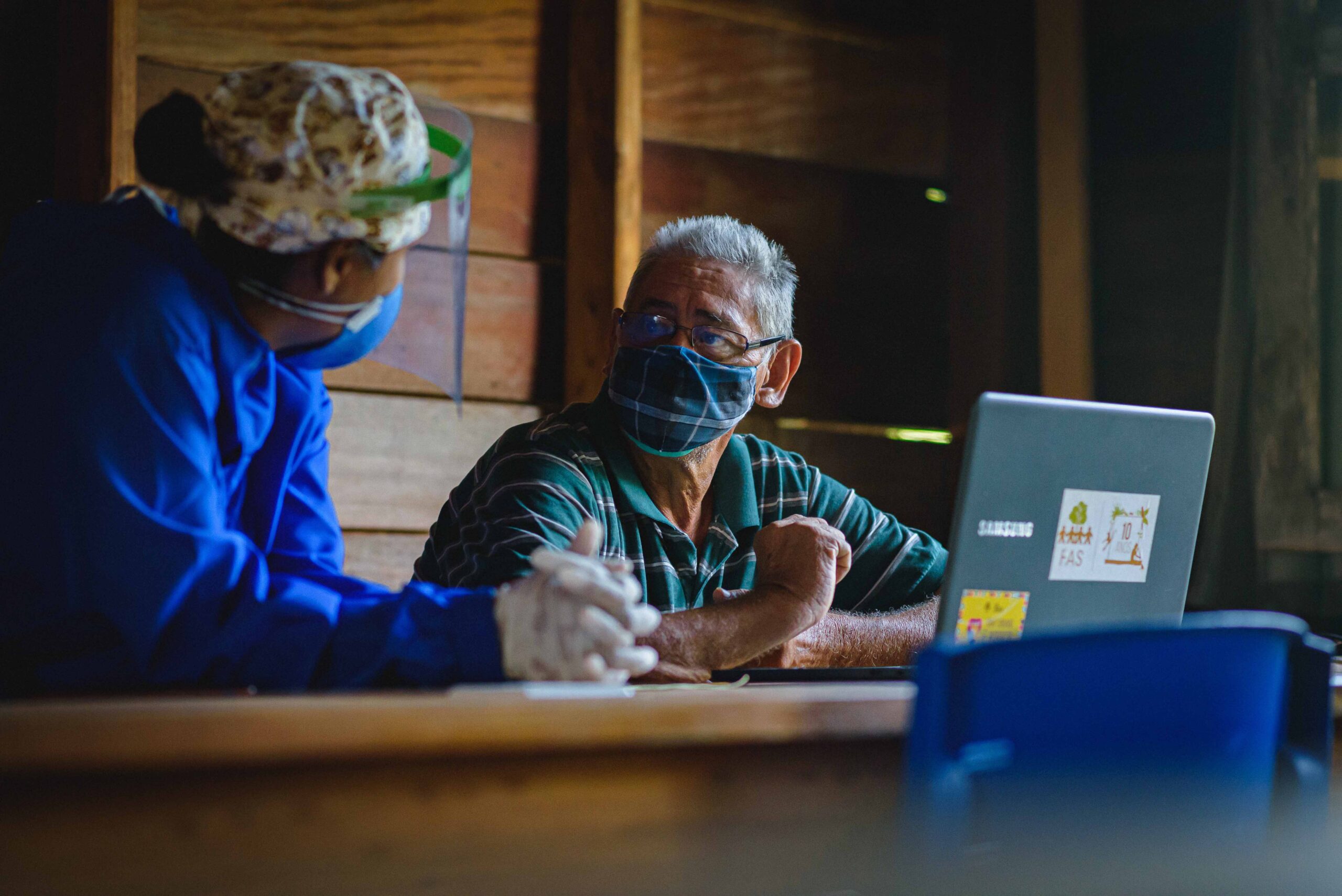
JBS finances the operation of telehealth clinics in remote communities in Amazonas
Resources allocated to the “SUS na Floresta” project, from the Sustainable Amazon Foundation (FAS), enable the operation of 62 telehealth stations in […]
Read more
Environment
15/02/2024
Animal protein companies intensify their search for more renewable energy sources, according to ABPA research
Animal protein companies in the country are investing in increasing the use of renewable sources for the sector’s production. This is what […]
Read more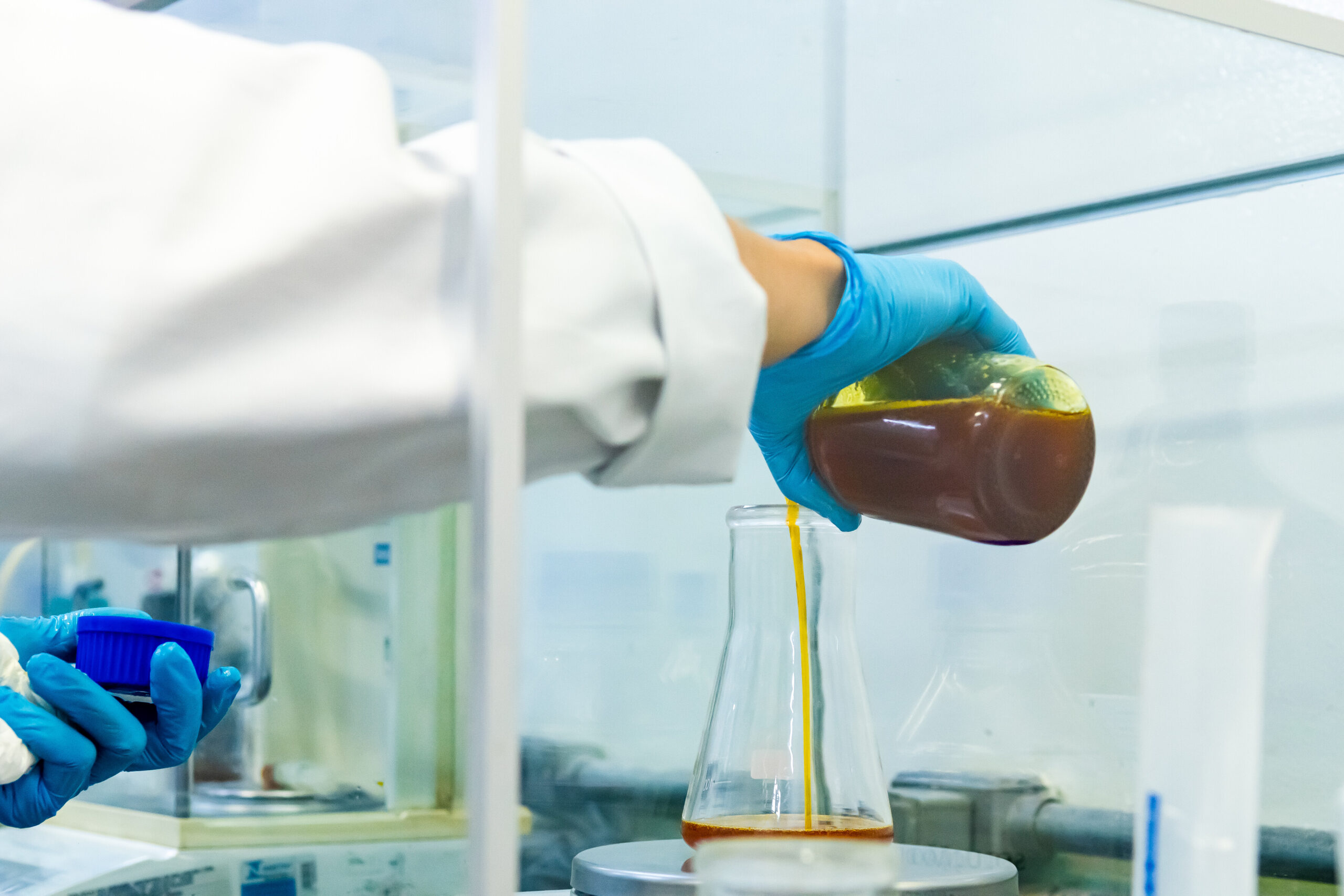
Environment
07/03/2024
JBS program transforms 26 million liters of used cooking oil into biodiesel
The collection of 4.5 million liters of used cooking oil last year promoted a 15% growth in the company’s shares With […]
Read more